As the world evolves, so does language. Have you ever noticed how new words seem to appear in English all the time? Take the word “doomscrolling,” for example. It refers to the act of endlessly scrolling through negative news on social media. A few years ago, that word did not even exist, but now it is widely understood.
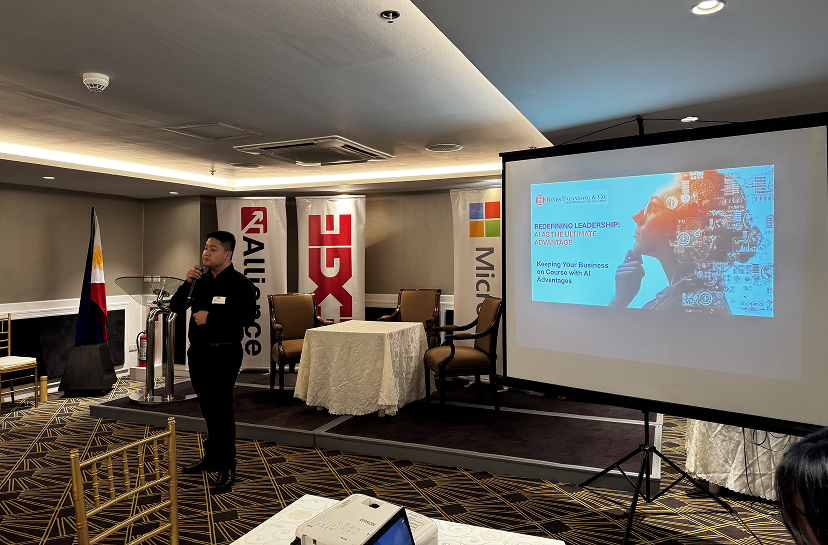
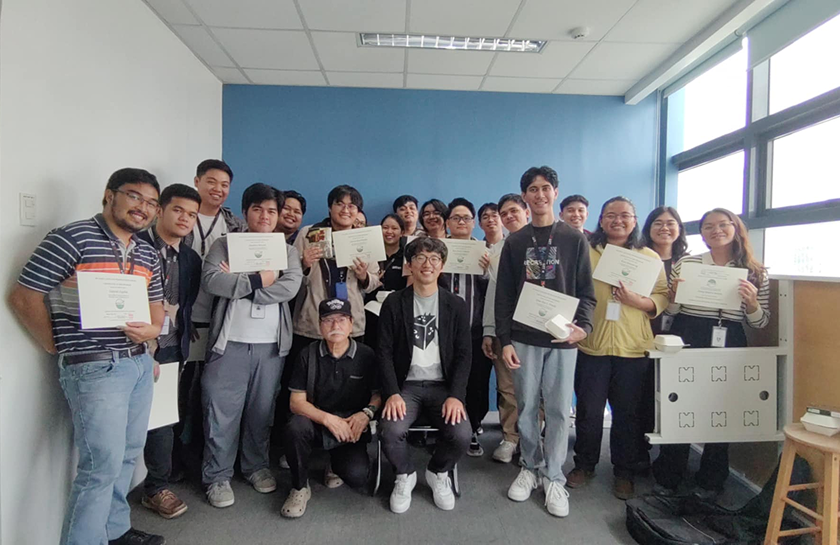
The presentation featured several popular AI assistants, including ChatGPT, Claude, Gemini, Microsoft Copilot, and Perplexity AI. Through demonstrations, attendees saw how these tools can assist with tasks such as writing project documentation, generating code snippets, creating test cases, analyzing logs, and summarizing meetings. Hernie also emphasized that AI-generated responses should always be reviewed and validated by users.
In the same way, when watching Japanese media, you might notice something interesting. Some words sound strangely familiar. You might hear words like コーヒー (kōhī), パン (pan), or others that resemble English. As you go deeper, you may encounter words like テレビ (terebi). These feel like English, but they do not actually exist in the English dictionary in that exact form. So, what is going on here?
What Exactly Is Gairaigo?
These words are called gairaigo (外来語). Simply put, gairaigo are borrowed words. They are terms that Japanese has taken from other languages, mostly English, and adapted into its own system. English does the same thing too. Words like karaoke and tsunami were originally borrowed from Japanese.
However, there is a common misconception that all gairaigo come from English. That is not the case.
For example:
- アルバイト (arubaito) comes from German and means part-time job
- アンケート (ankēto) comes from French and means survey
- ゴム (gomu) comes from Dutch and means rubber
This shows that gairaigo are a mix of influences from different languages, adapted to fit Japanese pronunciation and writing.
What Exactly Is Gairaigo?
Gairaigo are widely used in Japanese for a few simple reasons.
1. New Things Need New Words
When new technology or ideas enter Japan, it is often easier to adopt the original term rather than create a completely new one.
コンピューター (computer)
インターネット (internet)
2. They Sound Modern
Loanwords often carry a sense of being modern, stylish, or global.
In a way, this is similar to how English speakers sometimes view new slang. Think about phrases like, “What are the cool new words people use these days?” Gairaigo can give off that same kind of modern or trendy impression in Japanese.
3. Language Naturally Evolves
At the end of the day, all languages are borrowed from one another. Japanese is no exception. Gairaigo are simply a reflection of cultural exchange and how language adapts over time.
When Gairaigo Gets Confusing
Gairaigo are widely used in Japanese for a few simple reasons.
1. New Things Need New Words
For example:
インターネット (internet)
- ストーブ (sutōbu) usually means a heater, not a cooking stove
- マンション (manshon) refers to an apartment, not a luxury mansion
These differences can be confusing, especially for beginners. Even learners with some experience still get tripped up by these.
Gairaigo are everywhere in modern Japanese, from daily conversations to advertisements and media. They show how languages influence each other, how meanings can shift, and how communication continues to evolve in a globalized world.
Interested in learning Japanese yourself?
Alliance Software Inc. offers free Japanese classes open to both beginners and advanced learners. It is a great opportunity to explore the language further and understand concepts like gairaigo in more depth.